
High Voltage Training Systems (HVTS) have emerged as a foundation in the education and preparation of professionals who work with high voltage systems speciallyin the evolving electrical industry; staying ahead of technological advancements and safety standards is crucial. As industries increasingly rely on high voltage power for their operations, the need for specialized training becomes more distinct. HVTS offers a robust framework for training, ensuring that workers are not only competent but also capable of maintaining safety in high-risk environments.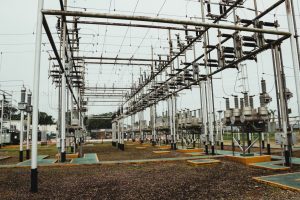
What areHigh Voltage Systems?
High voltage systems are fundamental to modern infrastructure, powering everything from industrial machinery to transportation networks. These systems operate at voltages typically above 1,000 volts, where the risks associated with electrical shock, arc flash, and equipment failure are significantly heightened. For professionals working in such environments, a deep understanding of the principles of high voltage, the behaviours of electrical systems under high stress, and the proper safety protocols is non-negotiable.
The Essential Role of HVTS in Industry
High Voltage Training Systems provide a wide-ranging educational platform designed to meet the needs of various industries that utilize high voltage systems. These training programs cover a wide range of topics, from the basics of electricity and magnetism to advanced concepts like power transmission, distribution systems, and fault analysis.
Significantly, one of the key benefits of HVTS is its emphasis on hands-on experience. Trainees are not just confined to theoretical knowledge; they engage in practical exercises that simulate real-world scenarios. This practical approach is essential in building the confidence and competence required to work safely and effectively in high voltage environments.
What are the Key Components of HVTS
- Theoretical Training: The foundation of any HVTS program is a strong theoretical component. Trainees learn about the physics of electricity, the behavior of electrical circuits, and the principles governing high voltage systems. This theoretical knowledge is crucial for understanding how high voltage systems operate and the potential risks involved.
- Practical Exercises: Practical training is where HVTS truly shines. Trainees are exposed to various high voltage scenarios in a controlled environment, allowing them to apply their theoretical knowledge to real-world situations. These exercises often include tasks such as high voltage testing, fault diagnosis, and emergency response drills.
- Safety Protocols: Safety is paramount in any HVTS program. Trainees are rigorously trained in safety protocols, including the use of personal protective equipment (PPE), the identification of electrical hazards, and the implementation of lockout/tagout procedures. By the end of the training, workers should be able to assess risks and take the necessary precautions to mitigate them.
- Simulation-Based Training: Advanced HVTS programs often incorporate simulation-based training, which uses computer models to replicate complex high voltage scenarios. These simulations allow trainees to experience the consequences of their actions in a virtual environment, providing a safe space to learn from mistakes without the risk of injury.
The Importance of HVTS in Risk Mitigation
The electrical industry is inherently risky, with high voltage systems presenting some of the most significant dangers. However, with proper training through HVTS, these risks can be effectively managed.
- Risk Identification and Management: HVTS trains professionals to identify potential hazards before they escalate into dangerous situations. For example, understanding how to detect signs of insulation breakdown or recognizing the symptoms of partial discharge can prevent catastrophic failures. By equipping workers with the skills to identify and address these issues early, HVTS helps to mitigate the risks associated with high voltage systems.
- Emergency Preparedness: In addition to preventing accidents, HVTS also prepares workers to respond effectively when things go wrong. Emergency response training is a critical component of HVTS, teaching workers how to react in the event of an electrical accident, such as an arc flash or a system failure. This training can mean the difference between a contained incident and a widespread disaster.
- Compliance with Standards: Industries that operate high voltage systems are subject to strict regulations and standards. HVTS ensures that workers are knowledgeable about these standards and are able to comply with them. This not only helps in maintaining safety but also in avoiding legal repercussions and potential fines associated with non-compliance.
HVTS and Technological Advancements
As technology continues to advance, so too do the capabilities of HVTS. Modern training systems are increasingly incorporating digital tools such as virtual reality (VR) and augmented reality (AR) to enhance the learning experience. These technologies allow trainees to immerse themselves in high voltage environments without the associated risks, providing an unparalleled level of engagement and learning.
- Virtual Reality (VR): VR allows for the creation of realistic, interactive high voltage scenarios. Trainees can practice working on high voltage systems, troubleshoot problems, and respond to emergencies in a fully immersive environment. This hands-on experience is invaluable, particularly for those who may not have regular access to live high voltage systems.
- Augmented Reality (AR): AR enhances the real-world training environment by overlaying digital information onto physical objects. For example, a trainee might see real-time data about a high voltage component, such as voltage levels or thermal readings, while working on it. This real-time feedback helps to reinforce learning and improve decision-making in high-pressure situations.
The Future of HVTS
As industries continue to rely on high voltage systems, the demand for skilled professionals who can safely manage these systems will only grow; its future is positive, with ongoing advancements in technology and training driving the evolution of training programs. HVTS will continue to play a pivotal role in meeting this demand, providing the training necessary to ensure that workers are both competent and confident in their ability to handle high voltage environments.
As technology advances and industries continue to evolve, High Voltage Training Systems(hvts) are an indispensable part of the electrical industry, providing the necessary education and training to ensure the safety and efficiency of high voltage operations. HVTS will remain at the forefront, preparing the next generation of electrical professionals to meet the challenges of tomorrow.
By investing in HVTS, companies not only safeguard their operations but also contribute to a safer, more skilled workforce. Whether through theoretical training, practical exercises, or advanced simulation-based learning, HVTS equips workers with the knowledge and skills they need to navigate the complexities of high voltage systems with confidence and care.