
Tree pruning is both an art and a science, a practice that has been honed over centuries by arborists, gardeners, and nature enthusiasts alike. At its core, tree pruning is about more than just trimming branches; it’s about shaping the growth, health, and appearance of trees in a way that benefits both the tree and its surroundings. Whether you’re a seasoned professional or a curious homeowner, understanding the nuances of Tree Pruning Capalaba can transform how you view the trees in your landscape.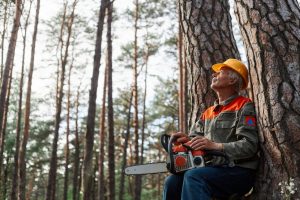
What We must know about Tree Pruning?
The practice is essential for various reasons, including maintaining the tree’s health, managing growth, improving fruit production, and ensuring safety by removing potentially hazardous branches.Furthermore, it involves selectively removing certain parts of a tree, such as branches, buds, or roots, to improve the tree’s structure, promote healthy growth, and enhance its aesthetic appeal.
Pruning is not just about cutting away; it’s about knowing what to cut, when to cut, and how much to cut. Each cut made during pruning has the potential to change the tree’s growth pattern and its overall health, making it a task that requires careful consideration and knowledge.
What are the Benefits of Tree Pruning
- Health and Longevity: Regular pruning helps to maintain the health of a tree by removing dead or diseased branches. This prevents the spread of disease and decay, allowing the tree to channel its energy towards new growth. Pruning also improves air circulation and sunlight penetration, which are crucial for the tree’s overall well-being.
- Growth Control: Pruning helps manage the size and shape of a tree, ensuring it fits well within its environment. Whether it’s preventing a tree from growing too close to power lines or shaping it to provide optimal shade, pruning can guide a tree’s growth to suit specific needs.
- Safety: Overgrown or weak branches can pose a significant risk, especially during storms or high winds. Pruning removes these hazards, reducing the risk of falling branches that could cause injury or damage to property.
- Aesthetic Appeal: Pruning can enhance the visual appeal of a tree, turning it into a focal point in the landscape. By carefully shaping the tree, you can create a more pleasing and balanced appearance that complements the surrounding environment.
- Improved Fruit Production: For fruit trees, pruning is essential for maximizing yield. By removing excess branches, the tree can focus its energy on producing larger and healthier fruit. Proper pruning also ensures that sunlight reaches all parts of the tree, which is vital for fruit development.
What are the various kinds of Tree Pruning
There are several different pruning techniques, each suited to specific needs and types of trees:
- Crown Thinning: This technique involves selectively removing branches throughout the canopy to reduce the density of the tree. Crown thinning allows more light to penetrate through the tree and improves air circulation, which can reduce the risk of disease.
- Crown Raising: This involves removing the lower branches of the tree to raise the canopy. Crown raising is often done to provide clearance for pedestrians, vehicles, or buildings. It also helps to balance the tree by shifting growth upwards
- Crown Reduction: Crown reduction is used to decrease the size of a tree, particularly when it has grown too large for its location. This technique involves cutting back the tree’s height and spread by removing the ends of branches. It’s important to do this carefully to avoid stressing the tree.
- Dead wooding: This is the process of removing dead or dying branches from a tree. Dead wooding is essential for the health and safety of the tree, as dead branches can fall and cause injury or damage. Removing them also helps the tree redirect nutrients to healthier parts.
- Pollarding: Pollarding is a more extreme form of pruning where the upper branches of a tree are removed, promoting the growth of a dense head of foliage. This technique is often used in urban areas to keep trees at a manageable size.
- Espalier: A specialized technique where trees are pruned and trained to grow flat against a wall or along a trellis. Espalier is often used for fruit trees in gardens to save space and create a decorative element.
What is the Best Time to Prune?
Timing is crucial when it comes to tree pruning. Pruning at the wrong time of year can harm the tree, while pruning at the right time can encourage healthy growth.
- Winter Pruning: Most deciduous trees are pruned in late winter while they are dormant. Pruning during dormancy encourages vigorous growth in the spring. It’s easier to see the structure of the tree without the leaves, making it easier to make precise cuts.
- Summer Pruning: Pruning in the summer, after the tree has leafed out, is typically done to slow down growth. This is useful for controlling size and shape or for removing specific branches that may be shading other plants.
- Spring and Fall Pruning: Pruning in early spring or fall is generally not recommended, as it can interfere with the tree’s natural growth cycles and leave it vulnerable to disease and pests.
What Tools are needed for Pruning?
Having the right tools is essential for effective and safe tree pruning. Some of the key tools include:
- Pruning Shears: Ideal for cutting small branches and stems, pruning shears are a must-have for any gardener.
- Loppers: With longer handles and stronger blades, loppers are perfect for cutting thicker branches that are out of reach for pruning shears.
- Pruning Saws: These saws are used for cutting larger branches that cannot be handled by shears or loppers. They come in various sizes and shapes, depending on the thickness of the branches.
- Pole Pruners: For tall trees, pole pruners are essential. These tools allow you to cut high branches without needing a ladder, reducing the risk of falls.
- Chainsaws: For very large branches or trees, chainsaws are sometimes necessary. However, they should be used with caution and typically only by experienced individuals.
Must Consider Safety When Pruning
Tree pruning can be hazardous, especially when working with large trees or high branches. Safety should always be the top priority:
- Wear protective gear: Always wear gloves, safety goggles, and a hard hat when pruning. This protects you from falling branches, debris, and accidental cuts.
- Use ladders safely: If using a ladder, ensure its stable and placed on firm ground. Consider having someone hold the ladder for added stability.
- Be mindful of power lines: Never prune branches that are near power lines. Instead, contact your local utility company or a professional arborist.
- Know your limits: For large trees or difficult jobs, it’s often best to hire a professional. Attempting to prune a tree that’s too large or too high can result in injury.
Therefore, knowing all the important things about tree pruning, we therefore conclude that tree pruning is an essential practice for maintaining the health, safety, and beauty of trees in any landscape. Whether you’re looking to enhance the appearance of your garden, ensure the safety of your property, or encourage the healthy growth of your trees, understanding the principles and techniques of pruning is key. With the right knowledge, tools, and timing, you can transform your trees into thriving, aesthetically pleasing assets that enhance your environment for years to come.