
In the evolving world of construction, steel accessories have emerged as indispensable components that contribute to the structural integrity, durability, and aesthetic appeal of modern buildings. Whether it’s reinforcing concrete structures, providing support for various building elements, or adding a touch of design finesse, steel accessories play a critical role in ensuring that construction projects meet the highest standards of safety and longevity. This article delves into the significance of steel accessories in construction, highlighting their various applications and the reasons why they are a preferred choice for industry professionals.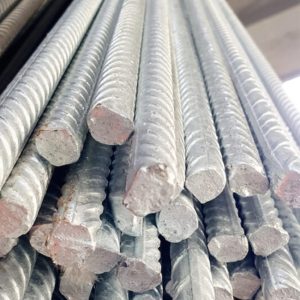
What Are Steel Accessories?
Steel accessories refer to a wide range of components made from steel that are used in construction projects. These include, but are not limited to, steel bars, rods, meshes, brackets, clamps, and ties. Each of these accessories serves a specific purpose, whether it’s reinforcing a concrete structure, providing support for beams and columns, or securing various building elements together. Steel is a preferred material for these accessories due to its strength, durability, and resistance to corrosion.
The Role of Steel Accessories in Reinforcement
One of the primary applications of steel accessories in construction is in the reinforcement of concrete structures. Concrete, while strong in compression, is relatively weak in tension. This is where steel accessories come into play. Steel reinforcement bars (rebar), for instance, are used to strengthen concrete by absorbing tensile stresses and preventing cracking. This combination of steel and concrete results in a composite material that is strong in both compression and tension, making it ideal for constructing buildings, bridges, and other infrastructure.
Steel meshes are another common accessory used in reinforcement. They provide a grid-like structure that is embedded in concrete to distribute loads evenly and reduce the risk of cracking. This is particularly important in large concrete slabs, where temperature changes and heavy loads can cause significant stress.
Durability and Longevity
Steel accessories are known for their durability and longevity, which are critical factors in construction. Buildings and infrastructure are long-term investments, and the materials used must withstand the test of time. Steel’s natural resistance to corrosion and wear makes it an excellent choice for construction accessories. When properly coated or treated, steel can resist the effects of moisture, chemicals, and other environmental factors that can cause degradation over time.
Moreover, steel’s strength-to-weight ratio is another advantage that contributes to its longevity. Steel accessories can provide the necessary support without adding excessive weight to the structure, reducing the load on foundations and other critical components.
Steel Accessories and Sustainability
In recent years, sustainability has become a major focus in the construction industry. Steel accessories contribute to sustainable construction in several ways. Firstly, steel is a recyclable material. At the end of a building’s life, steel components can be recovered, recycled, and used in new projects, reducing the demand for virgin materials and minimizing waste.
Secondly, the durability of steel reduces the need for frequent repairs and replacements, which in turn reduces the consumption of resources and energy associated with maintenance. This makes steel accessories an environmentally responsible choice for construction projects.
Aesthetic Appeal of Steel Accessories
While the primary function of steel accessories is structural, they also offer aesthetic benefits. Steel can be fabricated into a wide variety of shapes and designs, allowing architects and designers to incorporate both form and function into their projects. Whether it’s sleek, minimalist railings, decorative brackets, or custom-fabricated elements, steel accessories can enhance the visual appeal of a building while maintaining structural integrity.
The versatility of steel in design is particularly evident in modern architectural trends, where the industrial look has gained popularity. Exposed steel elements, such as beams, columns, and braces, are often left visible as part of the design, showcasing the raw beauty of the material.
Cost-Effectiveness of Steel Accessories
Cost is always a consideration in construction, and steel accessories offer a cost-effective solution for a variety of applications. While the initial cost of steel may be higher than some alternative materials, its durability and low maintenance requirements result in lower overall lifecycle costs. Additionally, steel’s strength allows for the use of smaller, lighter components without compromising on performance, which can reduce material and labor costs during construction.
Furthermore, the recyclability of steel means that even at the end of a structure’s life, the material retains value, offering potential cost recovery through recycling.
Applications of Steel Accessories in Various Construction Projects
Steel accessories are used in a wide range of construction projects, from residential buildings to large-scale infrastructure. Here are some common applications:
- Residential Construction: In residential buildings, steel accessories such as rebar, ties, and brackets are used to reinforce concrete foundations, walls, and floors. Steel mesh is often used in driveways, patios, and other concrete surfaces to prevent cracking.
- Commercial Buildings: In commercial construction, steel accessories provide support for larger and more complex structures. Steel brackets, beams, and columns are used to support floors, roofs, and other critical elements, ensuring the stability and safety of the building.
- Infrastructure Projects: Infrastructure projects such as bridges, highways, and tunnels rely heavily on steel reinforcement to withstand heavy loads and environmental stresses. Steel accessories like rebar, meshes, and ties are essential in these projects to ensure the durability and longevity of the structures.
- Industrial Facilities: In industrial construction, steel accessories are used to support heavy machinery, equipment, and storage facilities. The strength and durability of steel make it ideal for use in environments where heavy loads and harsh conditions are common.
The Essential Role of Steel Accessories in Modern Construction
As the construction industry continues to evolve, the role of steel accessories will only become more critical. Whether in reinforcing concrete structures, providing support for various building elements, or adding an aesthetic touch, steel accessories are and will remain a cornerstone of modern construction. Steel accessories are more than just components in a construction project; they are essential elements that contribute to the safety, durability, and aesthetics of buildings and infrastructure. Their versatility, strength, and sustainability make them a preferred choice for construction professionals across the globe.
For companies like Reo Reinforcement, specializing in providing high-quality steel accessories, the importance of these components cannot be overstated. By supplying reliable and durable steel products, Reo Reinforcement helps ensure that construction projects are built to last, meeting the demands of both today and the future.